
What affects the price?
- Number of rollers replaced
- Nylon or steel roller material
- Sealed or standard bearings
- Hinge and bracket condition
- Wear on the tracks the rollers ride in
- Door size and weight
The noises and rough movement that mean rollers are wearing out
You hear a grinding or rattling sound every time the garage door opens or closes. The door might shudder, hesitate, or move in short jerky steps instead of gliding smoothly along the track. Some homeowners notice the noise gets louder over a few weeks, while others say it started suddenly after a cold snap or a stretch of heavy use. Either way, the sound usually points straight to the rollers that guide the door along its tracks.
A door that used to open in one smooth motion may now stick partway up or down. You might see the door lean slightly to one side as it travels, or notice gaps where the rollers no longer sit flush in the track. These are early signs that the rollers, not the opener or the springs, are the source of the problem, and they tend to get worse the longer the door keeps running on them.
What is actually wearing out inside the roller and why it happens
Garage door rollers take on constant friction and weight every time the door moves. Nylon rollers develop flat spots or crack after years of use, especially on doors that open and close several times a day. Steel rollers lose their factory lubrication over time and start grinding metal against metal inside the track. Either type can wear unevenly if the door is slightly out of balance or the track has shifted from its original position.
Bearings inside the roller wheel are usually the first part to fail. Once a bearing seizes or wears down, the roller stops spinning freely and starts dragging or catching in the track instead of rolling through it. Dust, old grease, and moisture speed up this wear, which is why rollers in humid or dusty garages tend to fail sooner. North Texas summer heat can also dry out lubricant faster than milder climates do.
Replacing a few rollers or swapping the whole set at once
If only one or two rollers show cracks, flat spots, or noticeable play, replacing just those rollers is often enough to quiet the door and restore smooth movement. This approach works well when the rest of the rollers are still in reasonable shape and the door has otherwise been kept up with regular maintenance and occasional lubrication.
When most of the rollers are the same age and showing similar wear, replacing the entire set at once makes more sense. Doing them all together keeps the door balanced on both sides of the track and avoids a second service call a few months later when the remaining rollers start to fail. The technician explains which situation applies to your door before any work begins, so you know what you are paying for and why.
What the $129 to $258 range covers and what moves the price
The price for roller replacement covers the parts, the labor to remove the old rollers and install new ones, and a check of the tracks and hinges the rollers ride against. Jobs toward the lower end of the range usually involve a handful of standard nylon rollers on a door that is otherwise in good working condition with no other issues found during the inspection.
Costs move higher when the full set of rollers needs replacing, when you choose sealed steel rollers instead of standard nylon, or when the hinges and brackets holding the rollers also need attention. A wider or heavier door, such as a two car garage door, generally uses more rollers and takes more labor time to complete than a single car door with fewer rollers to swap out.
What happens when the technician arrives for the appointment
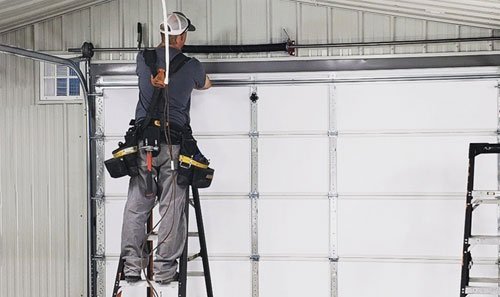
The technician starts by inspecting the whole door system, not just the rollers, to confirm what is actually causing the noise or rough movement. This includes checking the springs, cables, tracks, hinges, and opener, since a problem in any of these areas can produce symptoms that look like a roller issue at first. Once the cause is confirmed, you get a plain explanation of what is worn and what the repair will involve.
Before any work begins, the technician confirms the price with you based on the number of rollers needed, the material you choose, and any additional hinge or track work required. Same-day appointments are available when the schedule allows, and you can call (214) 307-6420 to check availability for your address. Once you approve the plan, the technician replaces the rollers and moves on to testing the door.
Why a worn roller is more than just a noise problem
A roller that has cracked or seized can slip out of the track while the door is moving, which throws the door off balance and puts extra strain on the cables, hinges, and opener. In some cases the door can drop unevenly or bind partway through its travel, creating a pinch point near the rollers and hinge brackets that can catch fingers or clothing during normal use.
Because the door is heavy and held under spring tension, a failure at the roller can turn into a larger repair if the door comes off the track entirely while it is moving. Replacing worn rollers before they fail completely keeps the door moving predictably and lowers the chance of the door jamming or dropping while someone is walking or parking underneath it.
Simple habits that keep new rollers running smoothly
Lubricating the rollers, hinges, and track a couple of times a year with a garage door specific lubricant keeps bearings turning freely and cuts down on the friction that wears rollers out early. Avoid using household oils or heavy grease, since these attract dust and grime that can clog the roller and speed up wear instead of preventing it.
Keeping the tracks clear of dirt, leaves, and cobwebs also helps rollers move without resistance. Watch for early warning signs like a return of the grinding noise or a slight wobble in the door, and address them before the roller fails again. A yearly maintenance and tune-up visit, priced separately in the $75 to $175 range, is a good way to catch roller wear before it turns into a bigger repair.
Signs that mean call now instead of waiting
Call right away if you hear grinding metal, see a roller hanging loose from its bracket, or notice the door jumping partway off the track. These signs mean the roller could fail completely on the next use, which can leave the door stuck open, stuck closed, or leaning at an angle that is unsafe to work around.
A quiet squeak that only shows up once in a while can usually wait a few days for a scheduled visit, especially if the door still opens and closes evenly. Once the noise becomes constant, or the door starts to hesitate or shake during travel, it is worth scheduling service soon rather than waiting for the rollers to wear out entirely and risk a bigger repair.
What the appointment includes
Full system check before touching a roller
The technician checks the door, springs, cables, rollers, tracks, hinges, opener, and safety sensors to confirm that worn rollers are actually the cause of the noise or rough movement you noticed, rather than a separate problem elsewhere in the system.
Clear explanation and confirmed price
You get a plain description of which rollers are worn, why they failed, and the choice between nylon and steel replacements. The price is confirmed based on the number of rollers and any hinge or bracket work needed before the technician starts.
Replacement and a full function test
After the rollers are replaced, the technician tests the door through a full open and close cycle to check balance, smooth travel, and quiet operation. Covered work comes with a 12-month warranty.
Frequently asked questions
How do I know if my garage door rollers need replacing?
Grinding or rattling noise, jerky movement, or a door that hesitates partway through its travel are the main signs. If the door leans to one side or you can see a cracked or worn roller in the track, that roller is likely due for replacement.
Can I replace just one roller or do I need to replace them all?
It depends on wear. If only one or two rollers are cracked or loose while the rest look fine, replacing just those is usually enough. If most of the rollers are the same age and worn evenly, replacing the full set keeps the door balanced.
Are nylon rollers or steel rollers better for my garage door?
Nylon rollers run quieter and need less lubrication, which suits most homes. Steel rollers hold up under heavier daily use, such as on commercial doors, but tend to be noisier over time. The technician can recommend the better fit for your door and usage.
How long does a roller replacement appointment usually take?
A straightforward roller replacement on a residential door typically takes under two hours once the inspection is done and the price is confirmed. Jobs that also involve hinge repair or full track adjustment can take longer depending on what the inspection finds.
Will replacing the rollers fix all the noise coming from my garage door?
Often yes, since worn rollers are a common source of grinding and rattling. If the noise continues after replacement, the cause may involve the hinges, springs, or opener, which the technician can point out during the initial inspection before any work is approved.
Is roller replacement covered under warranty?
Yes, roller replacement completed by the technician is covered under the standard 12-month warranty on covered work. If a replaced roller fails from a defect or installation issue within that period, contact the office to have it addressed.