
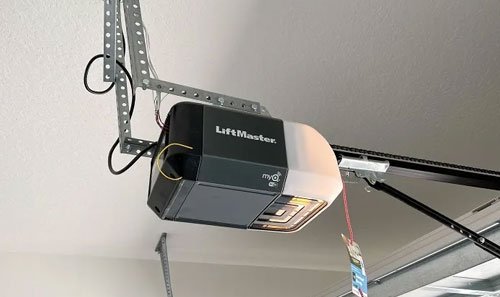
What affects the price?
- Motor type and lifting capacity
- Belt, chain or wall mount drive
- Smart features and phone connectivity
- Electrical and rail requirements
- Existing wiring and outlet location
- Removal and disposal of the old opener
What homeowners notice when an opener is failing
The garage door does not respond right away when the remote is pressed, or it stops partway through the cycle. Some homeowners hear a straining motor sound or notice the light flickers before the door moves. Others find the door only works when the wall switch is pressed multiple times.
A few notice the opener runs but the door barely moves, or it reverses without contact. These signs often show up gradually, then become a daily inconvenience once the motor or gears wear past a certain point.
Why openers wear out or stop working correctly
Most openers are rated for a set number of cycles, and after years of daily use the gears, capacitor, or circuit board begin to fail. Heat, humidity, and dust in a garage speed up this wear more than most homeowners expect. A worn gear or a failing capacitor cannot lift the door reliably even if the motor still runs.
Older openers also lack the safety features expected in a home with young children or pets, such as reliable auto reverse sensors. When the internal parts age at different rates, one small failure often triggers a chain of larger problems.
Repair or replace: when each makes sense
A repair makes sense when the opener is under ten years old, the motor is sound, and the failure is isolated to one part like a circuit board or sensor. In that case a technician replaces only the failed component and the unit runs like new.
Replacement is the better call when the opener is old, parts are hard to find, or the repair cost approaches the price of a new unit. A new installation also lets you upgrade to a quieter belt drive or add smart phone control, which older systems cannot support.
What the installation price covers and what changes it within $400 to $800
The price covers the opener unit, mounting hardware, wiring to the wall switch, and a full test of travel, force, and safety reversal. Straightforward installations on a standard door with an outlet already in place land toward the lower part of the range.
Cost rises with high horsepower motors, belt drive units, smart features that need extra setup, or garages that need new wiring or outlets run to the opener location. Removing and hauling away an old opener can also affect the final price.
How the opener installation appointment works
The technician inspects the door, springs, cables, and existing opener setup before recommending a unit sized correctly for the door weight and use. Same-day appointments are available when scheduling allows, so a failing opener does not have to wait long for attention.
Once you approve the choice and confirmed price, the technician mounts the unit, wires it to power and the wall control, and programs the remotes and keypad. The full system is then tested under load before the job is called finished.
Why safety testing matters for a new opener
A garage door is one of the heaviest moving objects in most homes, so a new opener has to reverse correctly on contact and stop within a safe travel range. Skipping this test leaves a door that can close on a car, pet, or person without stopping.
The technician checks the auto reverse sensors, force settings, and travel limits after installation, not just once the unit turns on. Covered installation work includes a 12-month warranty, so any adjustment issue found soon after install is addressed without a new charge.
How to make your new opener last
Keep the sensors clear of dust and clutter, since a blocked sensor is one of the most common reasons an opener seems to fail when the unit itself is fine. Wipe down the rail and lubricate moving parts on the schedule the manufacturer recommends.
Avoid overriding a reversing door by holding the wall button down, since this defeats the safety system and strains the motor. A yearly check on the whole door system helps catch a worn spring or misaligned track before it forces the opener to work harder than it should.
When you should call now and when it can wait a bit longer
Call right away if the door reverses without touching anything, if the opener makes a grinding or straining sound, or if the remote works only some of the time. These point to a failing part that can leave the door stuck open or closed.
A slow response time or a light that needs replacing more often than usual can typically wait for a scheduled visit. If you are unsure which category your problem falls into, call (214) 307-6420 and describe what you are seeing.
What the appointment includes
Full system inspection
The technician checks the door, springs, cables, rollers, tracks, hinges, and existing opener to find out why the current unit is failing and to make sure the new one is matched to the door correctly.
Clear options before work
You get an explanation of what is failing, the opener options that fit your door, and a confirmed price before any installation begins.
Installation and safety test
After the new opener is mounted and wired, the door is tested for balance, travel, and safe reversal so it operates correctly from day one.
Frequently asked questions
How long does a garage door opener installation take?
Most installations take one to two hours, depending on whether new wiring or rail adjustments are needed. The technician confirms the timeline once the door and existing setup are inspected.
Can I keep my old remotes with a new opener?
In many cases yes, if the new opener supports the same frequency, but older remotes sometimes need to be replaced or reprogrammed. The technician checks compatibility during the visit and lets you know before work begins.
Do I need an electrician for a new opener?
Most garages already have the outlet and wiring needed, but if the opener location needs new wiring or a dedicated outlet, that work is identified during the inspection so you know the cost before installation starts.
What size opener do I need for my door?
Motor size depends on the door weight, material, and whether it is single or double width. The technician measures and inspects the door before recommending a motor with enough lifting capacity for reliable daily use.
Is a belt drive opener worth the extra cost over a chain drive?
Belt drives run quieter, which matters most for garages under or near a bedroom. Chain drives cost less and hold up well for detached garages or workshops where noise is less of a concern.
What happens to my old opener?
The technician can remove and take away the old unit as part of the installation, or leave it with you if you prefer to keep or dispose of it yourself. Let the technician know your preference before work begins.