
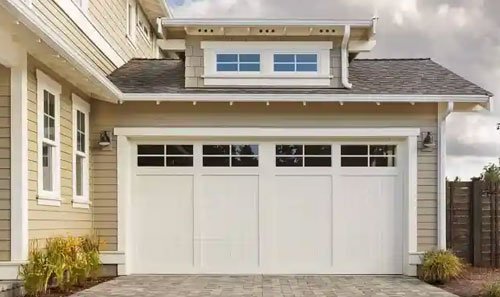
A wood garage door in the Dallas-Fort Worth area runs $922 to $5,200 installed. The wide range comes from the size of the opening, whether you choose solid wood or a wood composite, the style of panels, hardware, insulation, and finish work. A single car door with a simple design sits near the bottom of the range. A custom carriage-style door for a two-car opening, built from solid wood with decorative hardware, sits at the top. Site conditions and old door removal also affect the final number.
What determines the cost of a wood garage door
The price of a wood garage door depends on the size of the opening, the type of wood, and the complexity of the design. A single car opening needs less material and less labor than a double car opening, so it usually costs less. Standard designs with flat or raised panels cost less than doors with custom carvings or arched tops.
Wood species also plays a large role. Cedar and pine cost less than redwood or mahogany. Some homeowners choose a wood composite that looks like real wood but resists warping and rot better in North Texas heat and humidity swings. Composite doors often cost less than solid wood but more than a basic steel door.
Insulation, hardware, and finish work add to the total. A door with foam insulation, decorative hinges, handles, and a professional stain or paint job costs more than a bare door with minimal hardware. Old door removal and disposal, plus any needed adjustments to the opening or track system, also factor into the final price.
A budget wood door and a high-end wood door compared
$922 buys a single car wood composite door with a flat panel design, standard hardware, and no window inserts. The opening is standard size and in good condition, so installation is straightforward. The existing opener and track already fit and do not need modification. Labor takes a few hours, and there is no custom staining beyond a factory finish.
$5,200 typically covers a custom two-car solid wood carriage door with an arched top, decorative iron hardware, insulated panels, and a hand-applied stain finish. The opening may need reinforcement, and the heavier door often requires a stronger opener or additional bracing on the track system. Installation takes longer because of the custom fit and finish work.
Most jobs in the Dallas-Fort Worth area fall between these extremes. A single wood door with moderate hardware and a factory finish, or a double door made from a lower cost wood species, usually lands somewhere in the middle of the range.
What a complete wood garage door quote should include
A written quote should spell out exactly what you are paying for before any work starts. This protects you from surprise charges once the job is underway.
Garage Door Reaper backs installation work with a 12-month warranty on covered parts and labor. Ask any company for their warranty terms in writing before you agree to the job, and make sure the quote states whether the price includes disposal of the old door.
- The wood species or composite material and panel style
- Door dimensions and insulation type
- Hardware included, such as hinges, handles, and decorative straps
- Labor cost for removing the old door and installing the new one
- Any track, opener, or bracing adjustments needed
- The warranty terms on parts and labor
Warning signs in a wood door quote that looks too low
A price far below the typical range for the size and style you want is a signal to ask more questions. Some quotes leave out the cost of hardware, insulation, or a proper finish, then add those items later as extras.
Watch for vague language like standard door without a listed wood species, panel style, or dimensions. A legitimate quote names the exact door being installed. If a company will not put the wood type, size, and hardware in writing, the number on the page does not mean much.
Also be cautious of quotes that skip a site inspection entirely. Every opening is a little different, and a fair price depends on someone actually looking at your garage, the condition of the framing, and the existing opener before quoting a final number.
Repairing a wood door panel or replacing the whole door
Wood doors can often be repaired rather than replaced, especially if the damage is limited to one panel or section. Panel replacement runs $250 to $800 depending on the wood species and whether the new panel needs to be stained to match the rest of the door.
Replacement makes more sense when the wood is warped across multiple panels, when rot has spread into the frame, or when the door is old enough that matching stain and grain is no longer realistic. A door with significant water damage at the bottom panels is a common case where full replacement costs less over time than repeated patch repairs.
What you can inspect yourself and what to leave to the technician
You can safely check for visible cracks, splitting wood, peeling paint or stain, and gaps around the edges of the door. Note whether the door opens and closes smoothly or seems to stick or drag anywhere along the track.
Leave anything involving the springs, cables, or the opener's internal wiring to a technician. Wood doors are heavier than steel doors, which puts more tension on the spring system. Attempting to adjust springs or remove panels yourself risks injury and can damage the door further.
How the installation visit and price confirmation work
A technician inspects the full door system, including the opening, existing hardware, and track alignment, before recommending a specific door and giving a final price. This walkthrough matters more with wood doors because the size, weight, and finish options change the number significantly.
Once you approve the price, the technician orders the door and schedules installation. Same-day appointments are available when scheduling allows, though a custom wood door often needs to be ordered ahead of time. Call (214) 307-6420 to set up an inspection and get a firm number for your specific door and opening.
Why putting off wood door repairs adds to the final cost
Wood absorbs moisture, and a small crack or gap left unsealed lets water into the panel over time. What starts as a $100 to $250 weather seal fix can turn into a $250 to $800 panel replacement if water damage spreads.
A door that is sticking or dragging on its track also puts extra strain on the opener and hinges. Ignoring that strain can turn a simple hinge and bracket repair, priced at $80 to $250, into a bigger job involving opener repair or a full track adjustment.
Frequently asked questions
How long does a wood garage door installation take?
Most installations take a few hours to a full day, depending on whether the opening needs adjustments and whether the door requires custom hardware or finish work. Custom carriage-style doors with iron hardware and hand staining generally take longer than a standard single door installation with pre-finished panels.
Does a wood garage door need more maintenance than steel?
Yes. Wood needs periodic resealing or restaining to resist moisture, sun exposure, and temperature swings common in North Texas. A maintenance and tune-up visit, priced at $75 to $175, is a good time to check the finish and hardware along with the door's mechanical parts.
Can I get a wood look without solid wood cost?
Wood composite doors mimic the look of real wood grain and staining while resisting warping and rot better than solid wood. They typically cost less than solid wood doors of the same size and style, which is why many homeowners choose composite for the appearance without the full price.
Will a heavier wood door need a new opener?
Sometimes. Solid wood doors, especially insulated or double car sizes, can weigh more than the opener installed for a previous steel door. The technician checks the opener's weight rating during the inspection and will tell you if opener installation, priced at $400 to $800, is needed alongside the new door.
Are the prices on this page a final quote?
No. These numbers reflect typical Dallas-Fort Worth market ranges for planning purposes. Your actual price depends on your door's size, wood species, hardware, and site conditions, and is confirmed in writing by the technician after inspecting your garage before any work begins.