
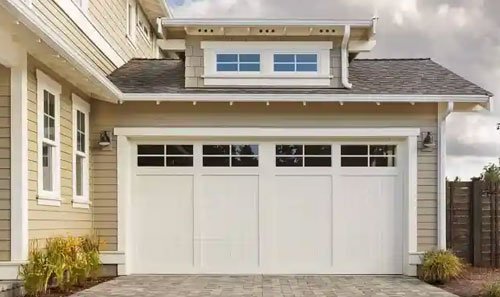
A garage door safety inspection in Dallas-Fort Worth typically costs $75 to $175. The number depends on the type of door, how many moving parts need to be tested, and whether the technician finds something that needs attention beyond a visual check. A basic single-door inspection sits at the low end. A two-car door with an older opener, worn cables, or signs of rust usually lands higher, since more time goes into testing tension, alignment, and the electrical safety features.
What drives the cost of a garage door safety inspection
The price moves based on the size and age of the door, how many springs and cables need testing, and whether the opener has to be checked for reverse safety and sensor alignment. A single door with newer parts takes less time to go through than a double door with an older system that has not been looked at in years.
Commercial doors and homes with more than one garage door usually cost more to inspect, since the technician is checking multiple sets of springs, tracks, and openers instead of one. A home with a straightforward setup and easy access to the door usually falls toward the lower end of the range.
A basic inspection versus a full system check
On the low end, a single residential door gets a visual and functional check: springs, cables, rollers, tracks, sensors, and the opener's reverse function. If everything tests within normal range, the visit stays close to $75 and the technician documents what was checked and what condition it is in.
On the high end, a two-car door with an aging opener, uneven track wear, or a sensor that needs realignment takes more time. The technician may test the door under load several times, check balance at different points, and note parts that are close to failing even if they still work today. That level of detail pushes the price toward $175.
What a written inspection quote needs to spell out
A proper quote lists exactly what gets tested: spring tension and balance, cable condition, roller and track alignment, opener force settings, and the auto-reverse safety sensors. It should also say whether the price covers one door or more, since multi-door homes often see a different rate per door.
The quote should separate the inspection fee from any repair costs. If the technician finds a worn cable or a misaligned sensor during the visit, that should come back as a separate line item with its own price range, not folded into the inspection cost without explanation.
Signs an inspection quote is cutting corners
A quote that only mentions checking the opener remote or listening for noise is not a full safety inspection. A real inspection includes hands-on testing of spring balance and the auto-reverse function, since those two things are what actually keep a door from causing injury or property damage.
Be cautious of a price that seems very low with no explanation of what is included, or a technician who wants to skip testing the door under power because it is running fine right now. A door can look and sound normal while still failing a balance or reverse-safety test.
Deciding whether to repair now or wait for a bigger fix
If the inspection turns up a worn cable, a slightly out-of-balance spring, or a sensor that is close to misaligned, fixing it right after the inspection is usually cheaper than waiting. Small adjustments and minor part replacements at this stage fall on the lower end of typical repair pricing, often $75 to $300 depending on the part.
If the inspection finds a spring or cable that is close to failing, or an opener that is not reversing correctly under test conditions, that is not something to schedule for later. Those two issues are directly tied to the door coming down unexpectedly, and the fix is worth doing the same day it is found.
What you can look at yourself and what needs a trained eye
Before calling, you can safely observe a few things from a distance. Watch how the door moves, listen for grinding or scraping, and check whether the door reverses when something blocks the sensor path near the floor.
- Watch for jerky or uneven movement as the door opens and closes
- Listen for grinding, popping, or scraping sounds
- Check that the safety sensors near the floor have a clear line of sight to each other
- Look for visible rust or fraying on the cables, from a distance
- Do not touch or adjust the springs or cables yourself
- Do not attempt to loosen or tighten opener force settings on your own
How the inspection visit and price confirmation work
When the technician arrives, the first step is going through the entire door system, not just the part that seems off. That includes springs, cables, rollers, tracks, the opener, and the safety sensors, since a problem in one area often affects another.
After the walk-through, the technician explains what was found and what it means in plain terms, then confirms the price before any repair work starts. Same-day appointments are available when scheduling allows, and any covered repair work carries a 12-month warranty. You can reach the office at (214) 307-6420 to ask questions or set up a visit.
Why postponing a small issue raises the price later
A garage door is a system of parts that depend on each other. A slightly worn cable left alone puts more strain on the rollers and track, which then wear faster than they should. What starts as a $150 cable repair can turn into a track and roller job that costs several hundred dollars more once it is neglected.
The same goes for a sensor that is just slightly out of alignment. Left alone, it can stop working correctly, which means the door no longer reverses the way it should. At that point, the fix is not just realignment, it is diagnosing and replacing a failed sensor, which costs more and takes longer than catching it early.
Frequently asked questions
Does the inspection fee count toward the cost of a repair?
It depends on what is found. Some visits apply the inspection fee toward the repair cost if you approve work the same day, but this should be confirmed and written into the quote before the technician starts.
How long does a garage door safety inspection take?
A single residential door usually takes 30 to 45 minutes. A two-car door or a home with more than one garage door, or an older opener that needs closer testing, can take closer to an hour.
Is a safety inspection required before selling a home?
There is no requirement built into the inspection itself, but many homeowners get one done before a sale so any spring, cable, or sensor issues are known and addressed ahead of time rather than found during a buyer's inspection.
What happens if the inspection finds a serious problem?
The technician explains what was found, what the risk is, and what the repair would cost before doing any work. You decide whether to move forward that day or schedule it for later, though some issues are worth addressing right away.
Can commercial doors get the same kind of inspection?
Yes. Commercial doors go through the same type of check, though pricing and time can run higher depending on door size, weight, and the number of doors on the property being inspected.